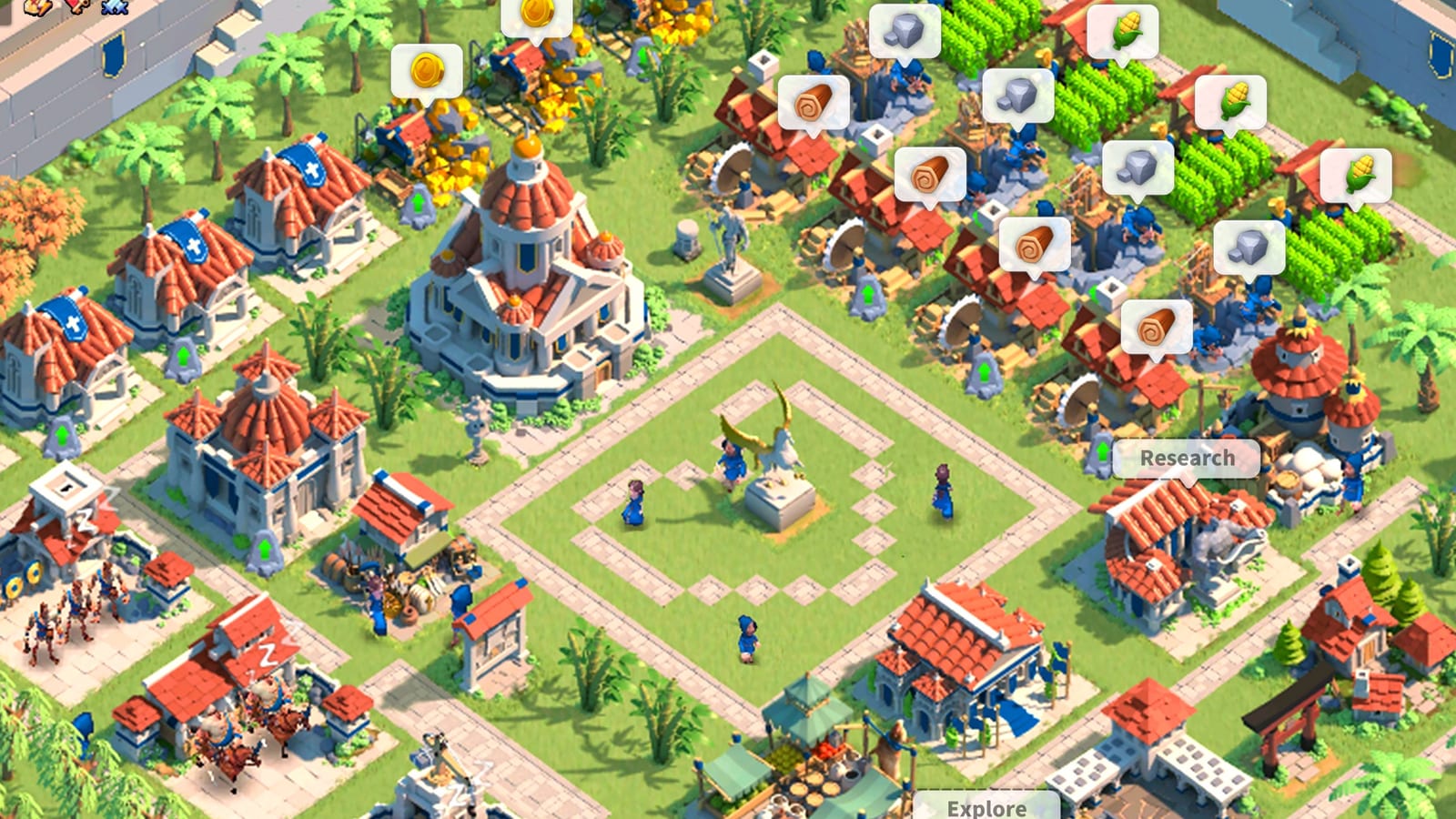
Rise of Kingdoms launched on mobile in May 2018 and reached Windows and macOS in April 2022. Lilith Games’ strategy MMO now claims more than 180 million players and, according to Wikipedia, more than $3.5 billion in lifetime revenue. It sits in a genre known for aggressive monetization — and it is both one of the best-made games in that genre and a textbook example of its problems.
The verdict at a glance
Rise of Kingdoms does something its competitors still don’t: every city, army and barbarian camp lives on one enormous map, and battles happen in real time where they meet. It looks great on a big screen, the alliance game is excellent, and the early and mid game are generous. But the higher you climb, the more the leaderboard reflects what players have spent, and the game’s endless events are built to make spending feel necessary.
A living map, not a menu
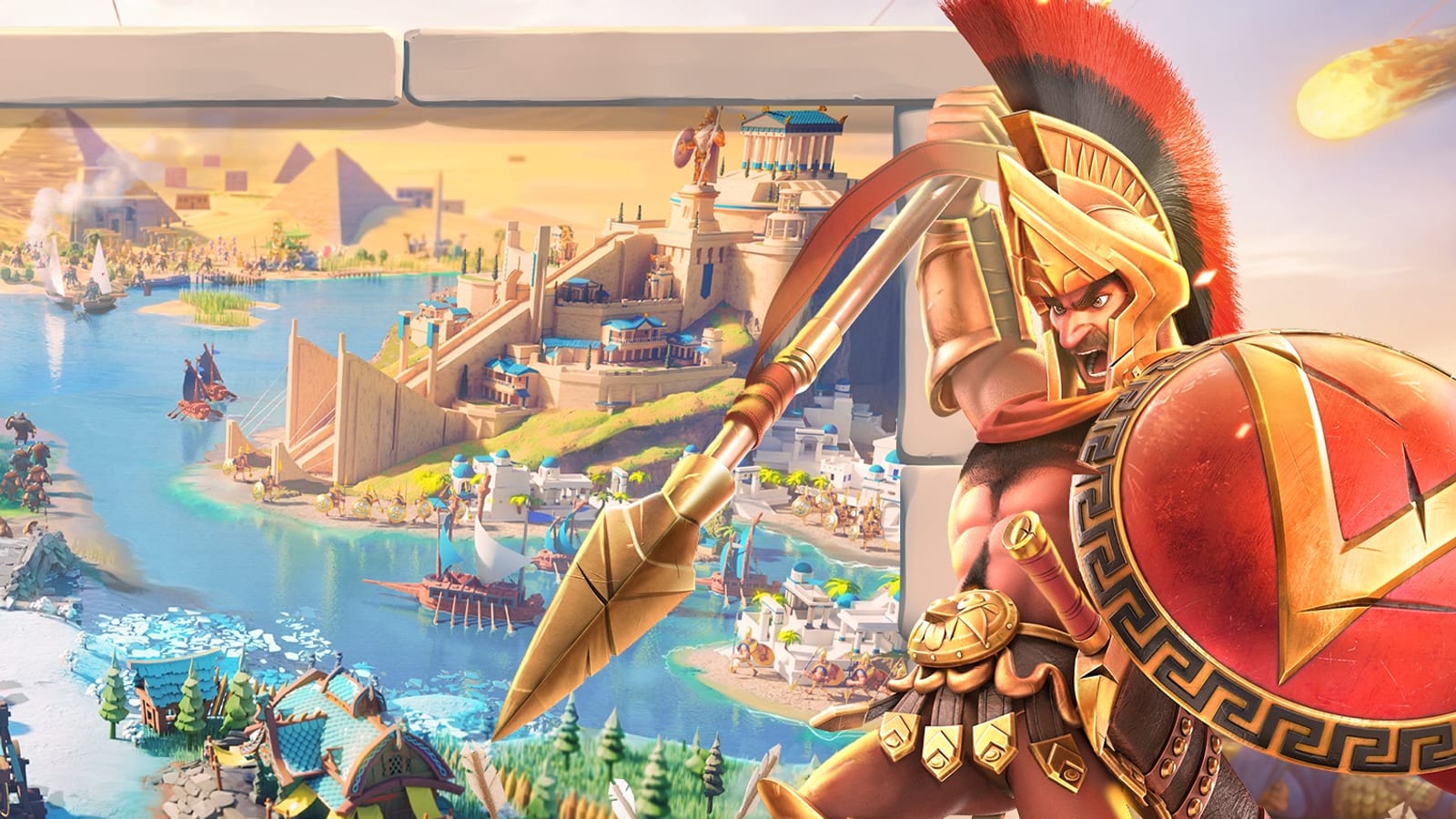
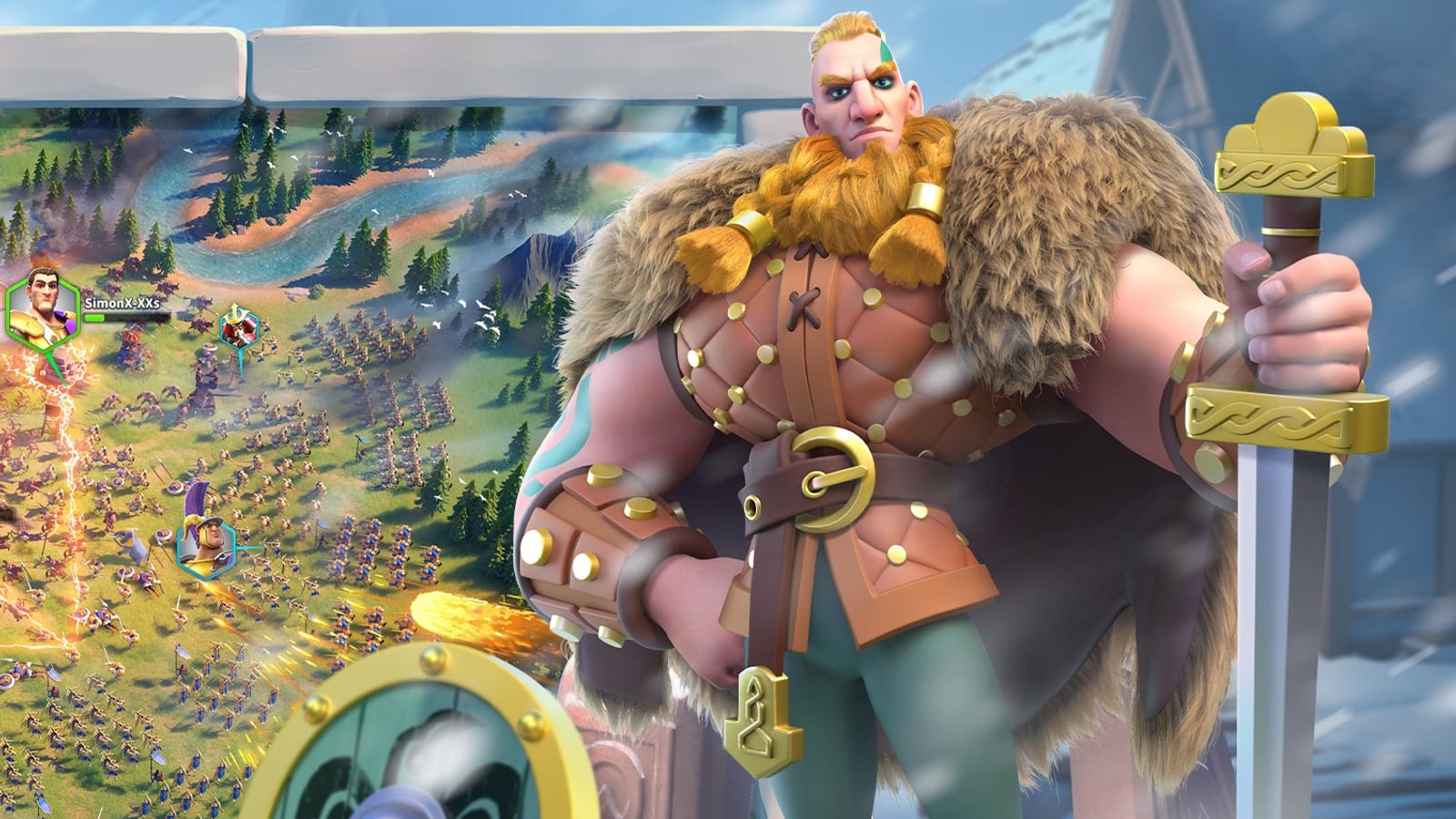
Most mobile 4X games send your troops through a timer and a battle report. In Rise of Kingdoms you watch the march cross the map, and you can change its orders at any point — attack a city, turn back to reinforce a pass, or stop to gather lumber and pick off barbarians on the way. Anyone can join a fight already in progress, so a skirmish outside an ally’s city can turn into a full alliance brawl within minutes. Zooming smoothly from the world view down into your own city is still impressive on PC.
Commanders are the other pillar. You recruit historical figures — Julius Caesar, Sun Tzu, Joan of Arc and many more — level them up, pair a primary with a secondary and spend talent points across three trees. Pairings and talent builds matter more than raw level, which gives the game real depth for players who like theory-crafting.
Alliances and the Lost Kingdom
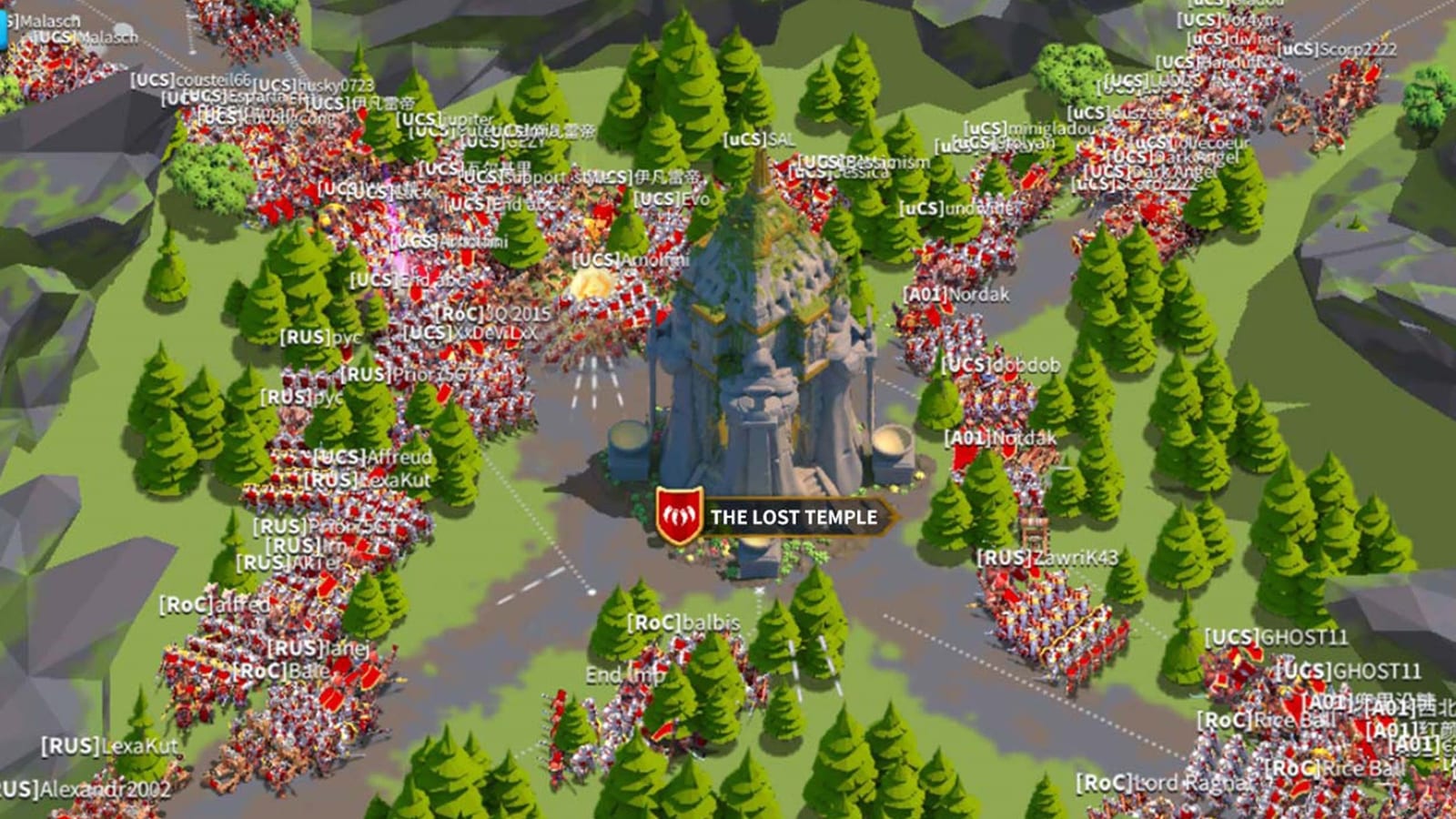
The best of Rise of Kingdoms happens with other people. Alliances share territory, speed up each other’s construction, coordinate with map markers and chat through a built-in translator, which matters in kingdoms full of players from different countries. The long-term goal is the Lost Kingdom, a seasonal war between kingdoms on a separate map, where diplomacy and coordination count as much as troop numbers. Lilith keeps reworking it — the September 2026 update changed matchmaking and added individual season rank rewards.
The spending curve
None of that hides the business model. Upgrades take hours and then days, speedups and resources are sold in dozens of packs, and events reward whoever can spend the most speedups in a short window. A free player can enjoy the game for a long time and contribute real value to an alliance, but will not compete with the biggest spenders in their kingdom. Critics have been blunt about this: Wikipedia’s summary of reviews cites scores of 2/5 and 4/10 that both single out the monetization.
Pros / Cons
Should you install it
Yes, if you want a social strategy game to check in on every day and you enjoy playing a role in an alliance rather than topping the power rankings. Set yourself a spending limit before you start, because the game will test it. If you prefer strategy games where everyone starts equal each match, this isn’t one. Our beginner’s guide covers how to make your first weeks count.