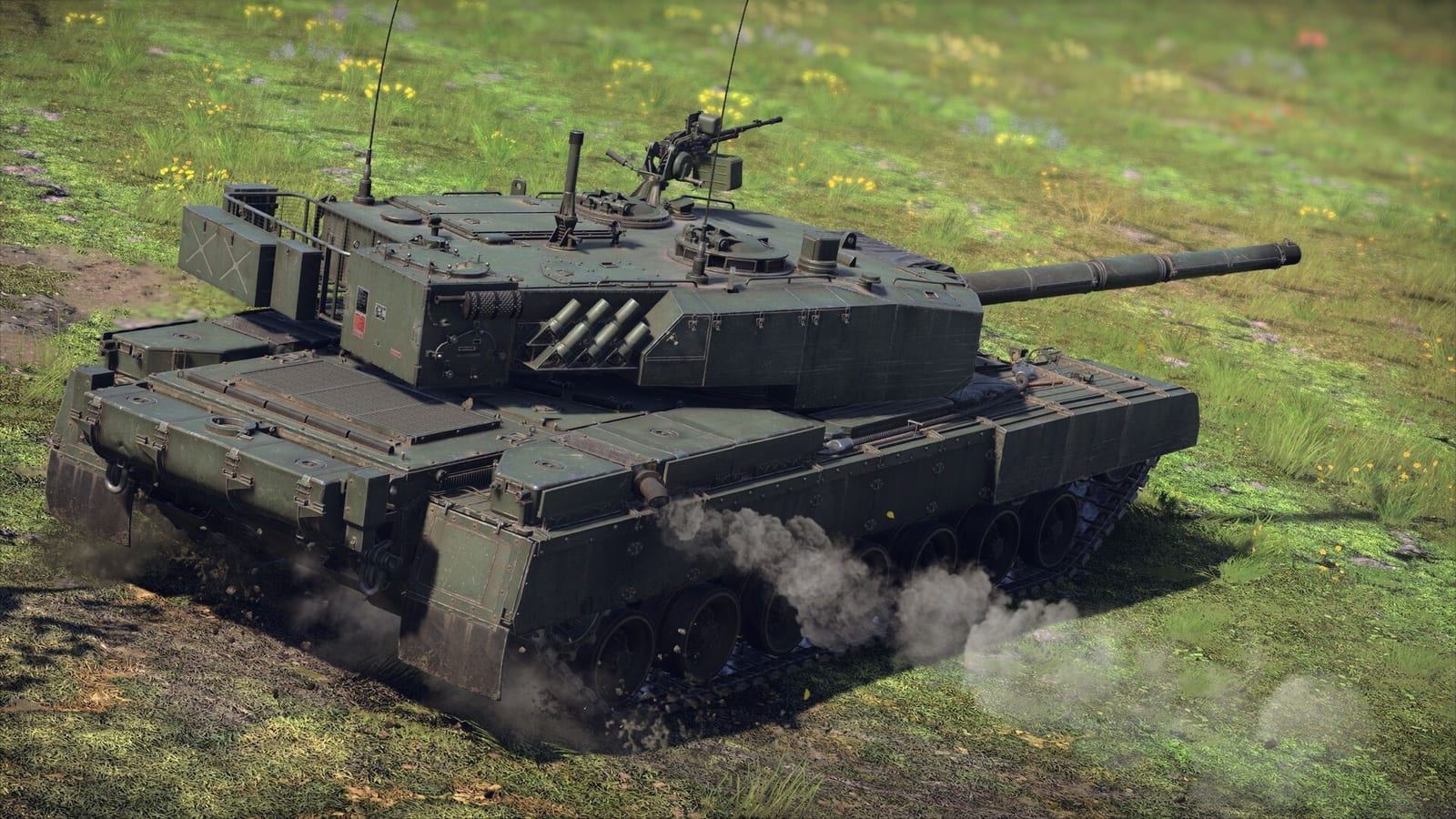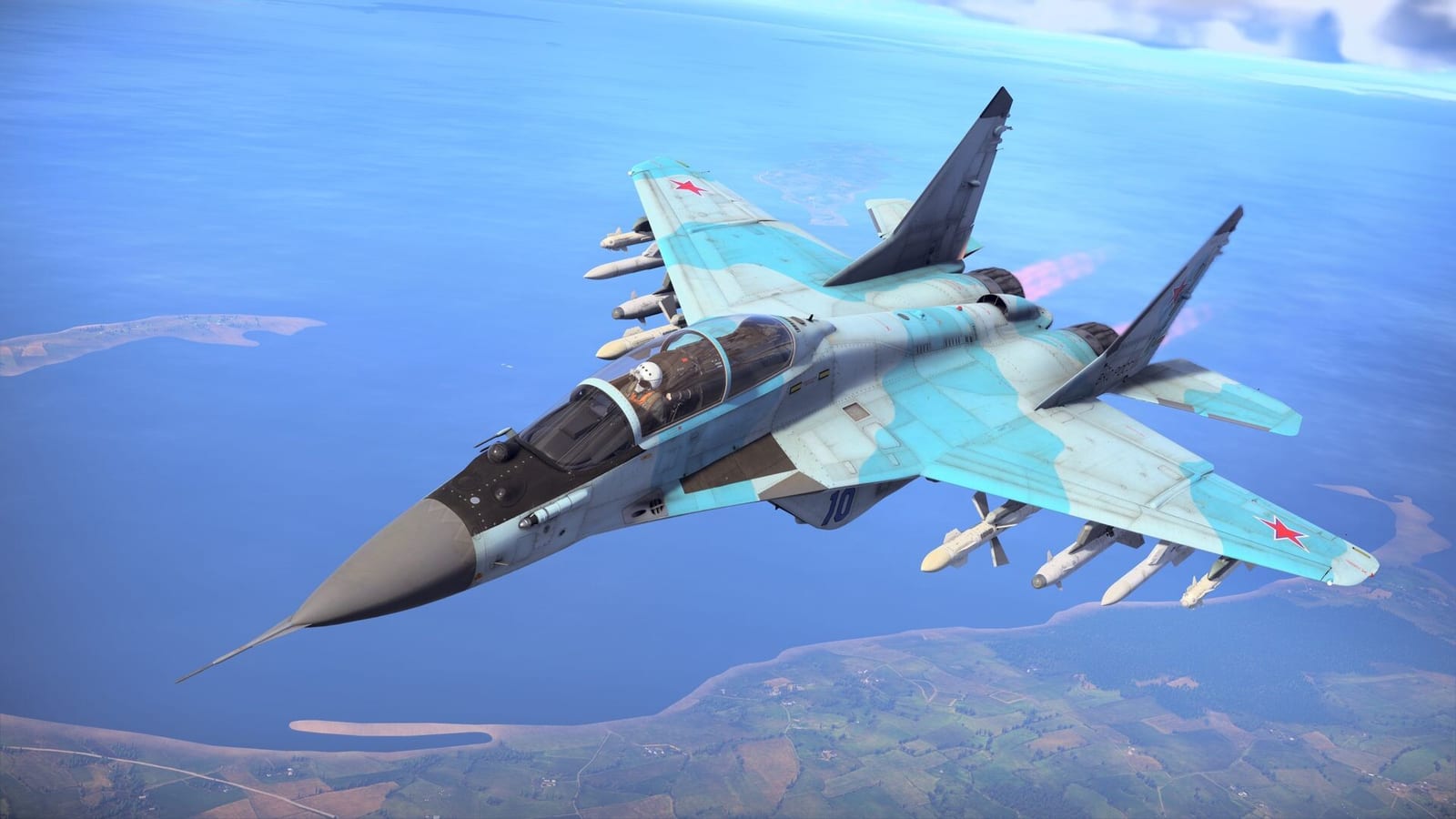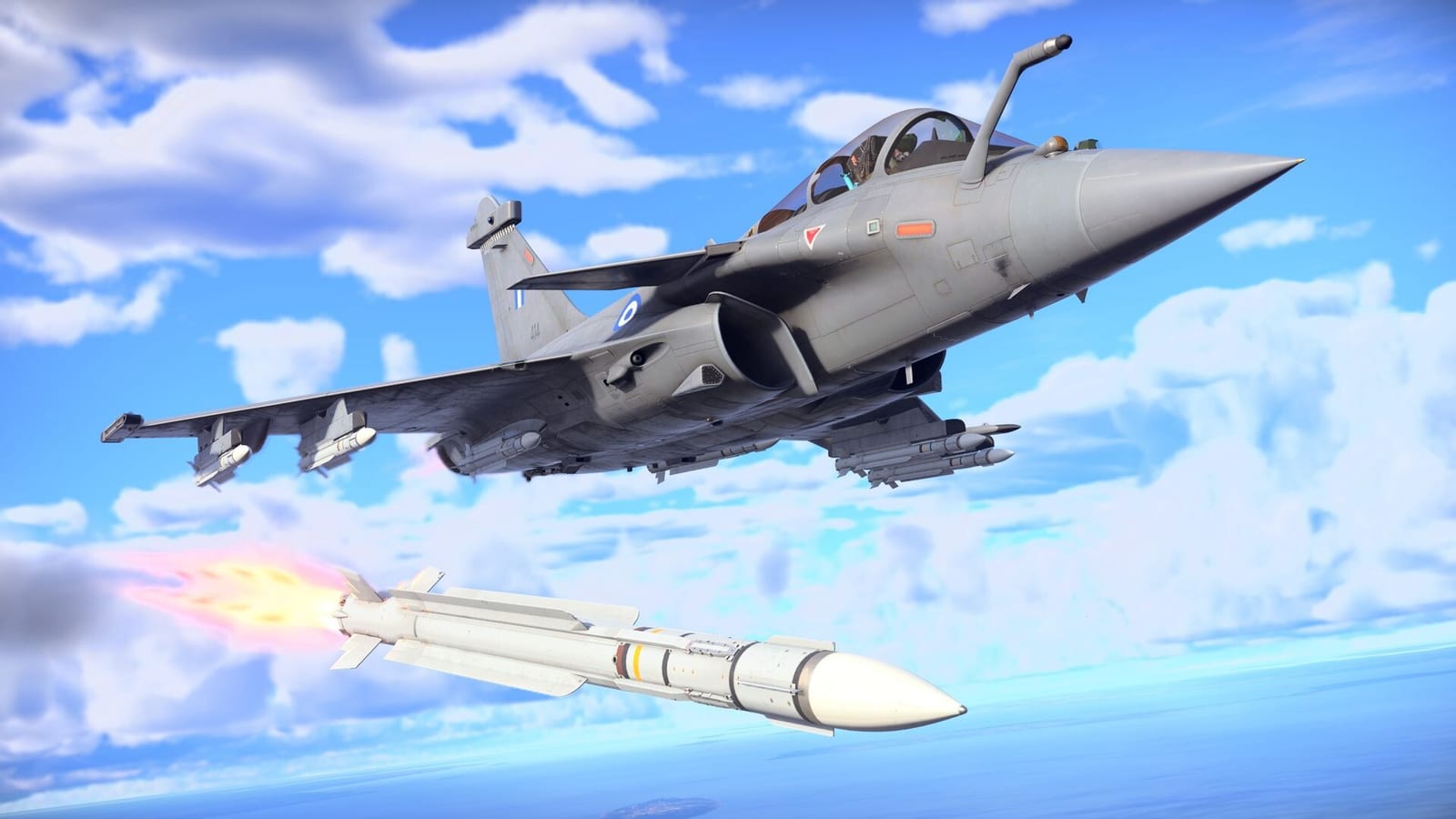

War Thunder has been live since 2013 and has never stopped growing. Gaijin Entertainment’s free-to-play military game now covers aircraft, helicopters, ground vehicles and naval craft — more than 3,000 of them across around 100 maps — and every new major update adds another batch. Few live games have this much content. Fewer still ask as much patience of the people playing them.
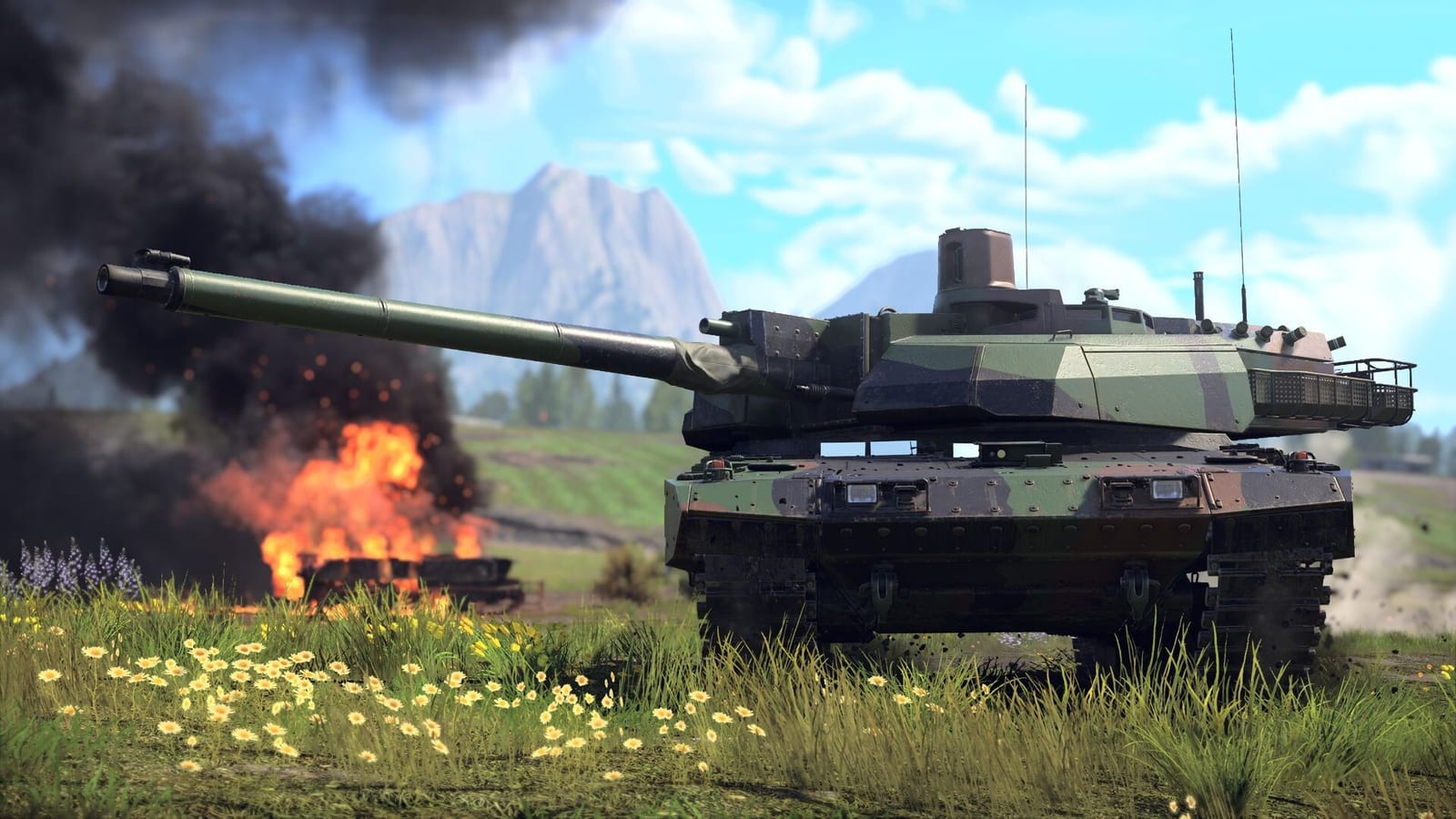
The verdict at a glance
At its best, War Thunder is the most convincing vehicle combat you can play for free. A tank engagement is decided by angles, ammunition type and which crew member a shell reaches, not by a health bar. Air battles reward energy management and patience over reflexes. When it clicks, nothing else in the genre feels this tangible. The problem is everything around the battles: research times, repair costs and a matchmaker that can drop you into fights your vehicle has no business being in.
Depth that no one else offers
The core loop is simple: pick a nation, research vehicles along its tree, climb Battle Ratings. What makes it last is the breadth. Ten nations, each with interwar biplanes at one end and modern jets and main battle tanks at the other, and hundreds of vehicles in between that most players have never seen in another game. The damage model is the real star — the post-battle hit camera shows exactly which module a round struck, whether it penetrated, and which crew members were knocked out. It turns every defeat into a lesson, which is the healthiest thing a punishing game can do.
Game modes do a good job of splitting audiences. Arcade Battles give you markers, generous handling and quick respawns. Realistic Battles strip most of that away and cap ground players to a lineup paid for with spawn points. Simulator Battles lock you into cockpit view and are a niche of their own. The September 2026 “Sky Odyssey” update also made Nuclear Escalation, Naval Confrontation and Bullet Hell permanent event modes, which gives players a break from the standard rotation.
The grind is still the price of admission
War Thunder’s economy runs on two currencies earned in battle — Research Points to unlock vehicles and Silver Lions to buy and repair them — plus premium Golden Eagles, premium vehicles and a premium account that multiply both. The early tiers move quickly. Past the middle of each tree, research slows sharply and repair bills grow, and losing streaks start to cost real progress. None of it is strictly pay-to-win, since premium vehicles sit at the same Battle Ratings as everything else, but the game is clearly designed to make paying feel like the sensible choice.
Onboarding remains the other weak spot. Tutorials cover driving and flying, not armor layouts, ammunition selection or map positions. New players learn those through dozens of quick deaths, and the matchmaker’s one-Battle-Rating spread means a fresh vehicle can meet opponents a generation ahead.
Pros / Cons
Should you install it
Yes, if vehicles are the reason you play. Nothing else offers this roster or this damage model, and the low and mid tiers are a genuinely great free game with no pressure to spend. Go in expecting the climb to slow down, pick one nation instead of spreading your research, and treat top tier as a long-term goal rather than the point of the game. Our beginner’s guide covers how to make that early progression count.